
2026 Session
December 4 to 6, 2026
Le Carreau du Temple
Paris

The Program
Guest of honour
Archipel Butor

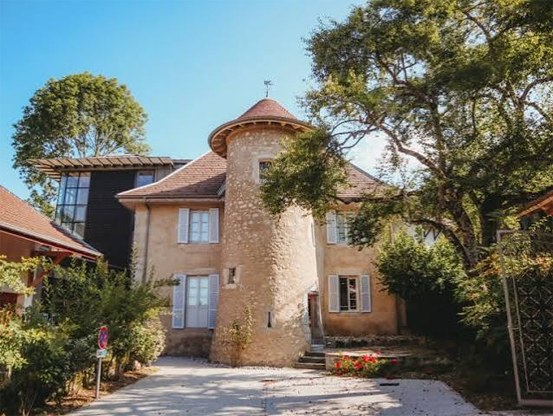
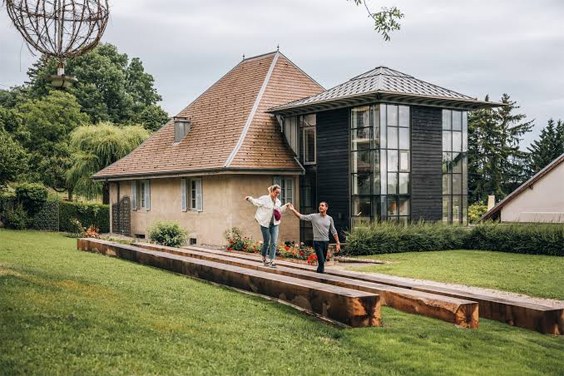
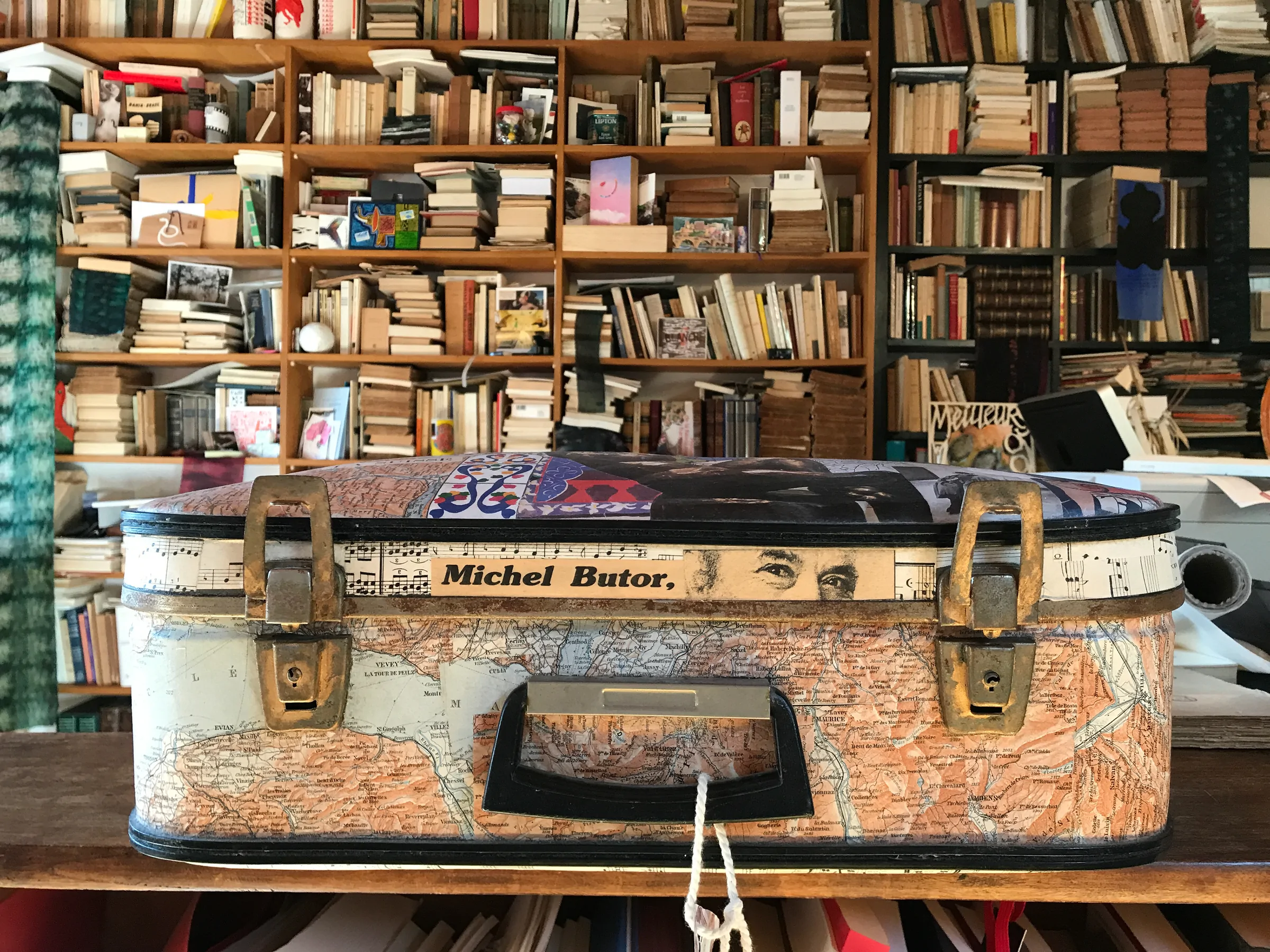
Michel Butor and Lucinges, à l’Écart
Michel Butor chose to settle in Lucinges in 1989.
Labelled a “New Novelist” following the publication of La Modification in 1957, which earned him the Renaudot Prize, philosopher, teacher, poet… never ceased to write when he was not travelling the world. His Complete Works were published by Éditions de la Différence.
Lucinges is a small town in the Annemasse urban area in Haute-Savoie, located at an altitude of 730 meters. His house, which he named “à l’Écart” (“Apart”), brought him closer to the University of Geneva, where he taught for 17 years. After living for a time “À la frontière” (“at the border”, Gaillard) and “Aux Antipodes” (“At the antipodes”, Nice), this move allowed the writer to find the right distance, the retreat he needed. The mountains became his “Thebaid”. After traveling the world, Lucinges became his place of life and creation, his home port.
The first time you enter the writer’s study, you are struck by the quantity of objects and books piled up, yet captivated by the serenity that emanates from the place. His office-library, “his cave,” resembles more a medieval scribe’s workshop or a cabinet of curiosities than a writer’s office.
A residence that became a writer’s house in 2020, labelled “Maison des illustres” (House of Illustrious People)
Since 2020, the writer’s house has been a place of research and creation. Following his death in 2016, Annemasse Agglomération (supported by the State and the department of Haute-Savoie) acquired the building with the aim of promoting the heritage left by Michel Butor and preserving its “genius loci.”
Part of the house is dedicated to hosting artists and authors in residence. As a place of creation, the house encourages exchanges between artists and aims to stimulate dialogue and foster shared creation.
As an introduction, a discovery trail devoted to the writer is offered to visitors. In 2025, the house received the prestigious “Maison des Illustres” label.
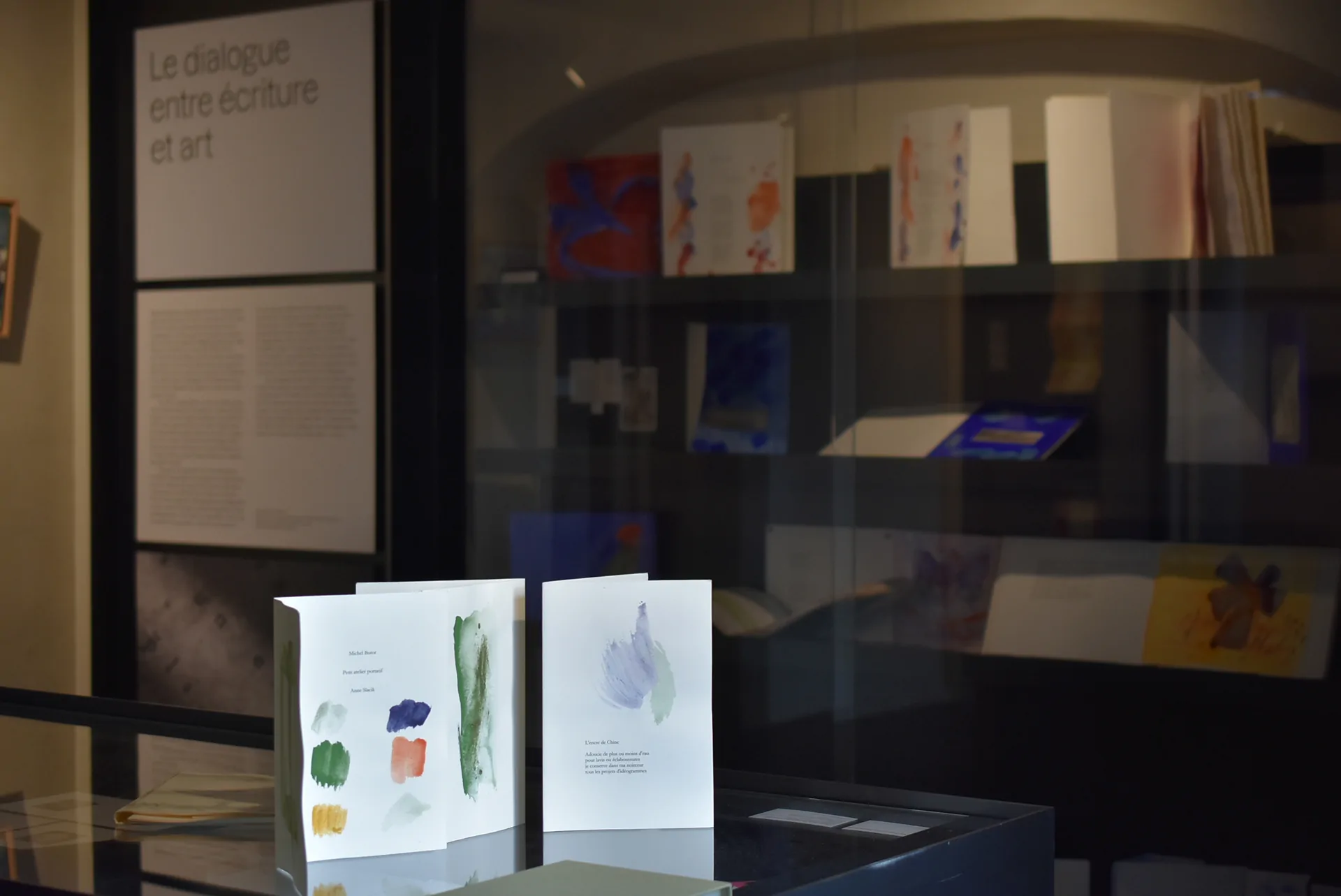
The Manoir des livres, a showcase for artist’s books
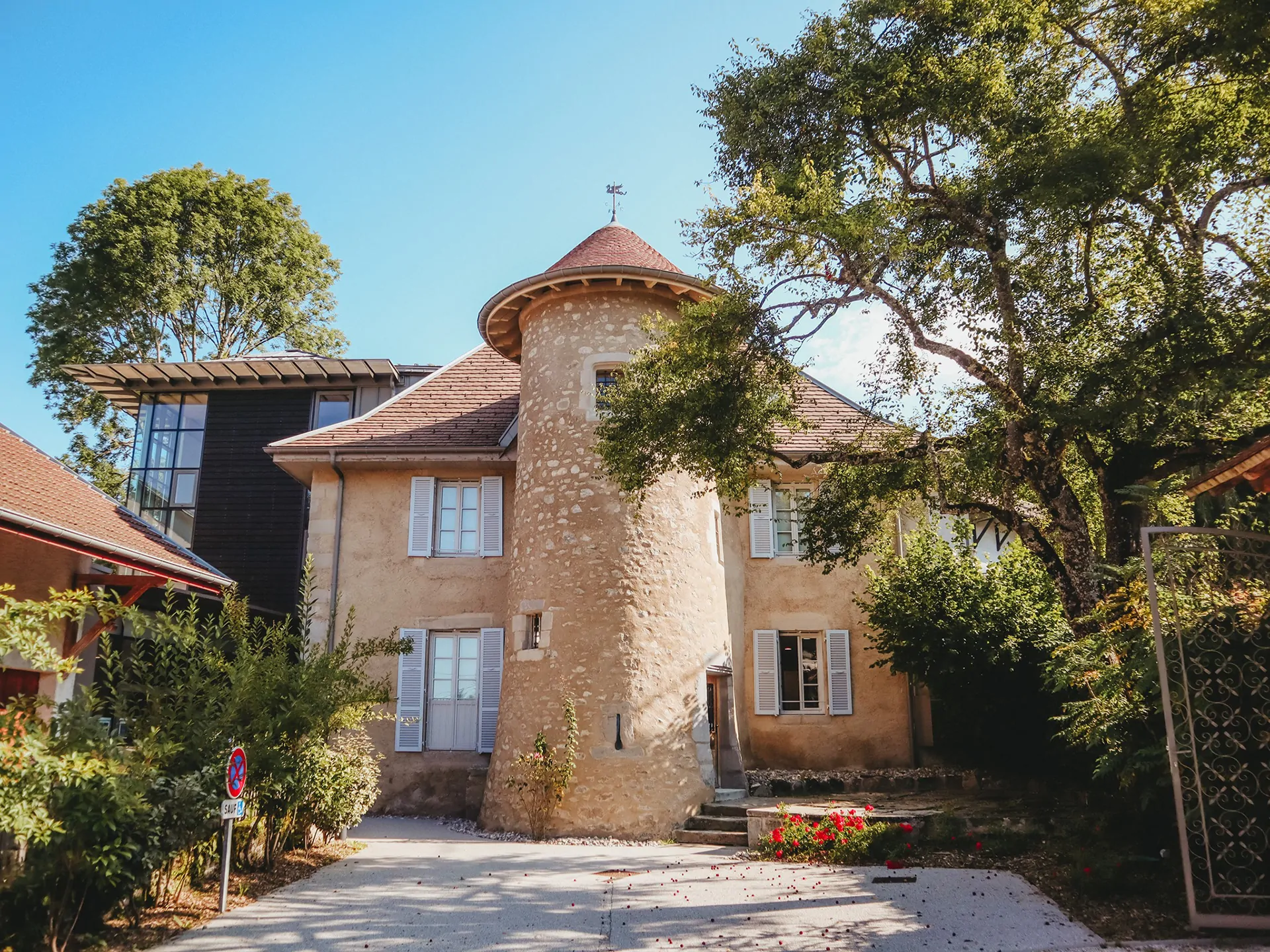
During the writer’s lifetime, plans were already underway to create the future “Manoir des livres” in Lucinges. Housed in a fortified house, the heritage library finally opened in 2020. It is entirely dedicated to the conservation, promotion, and exhibition of artist’s books.
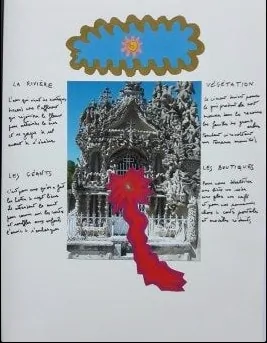
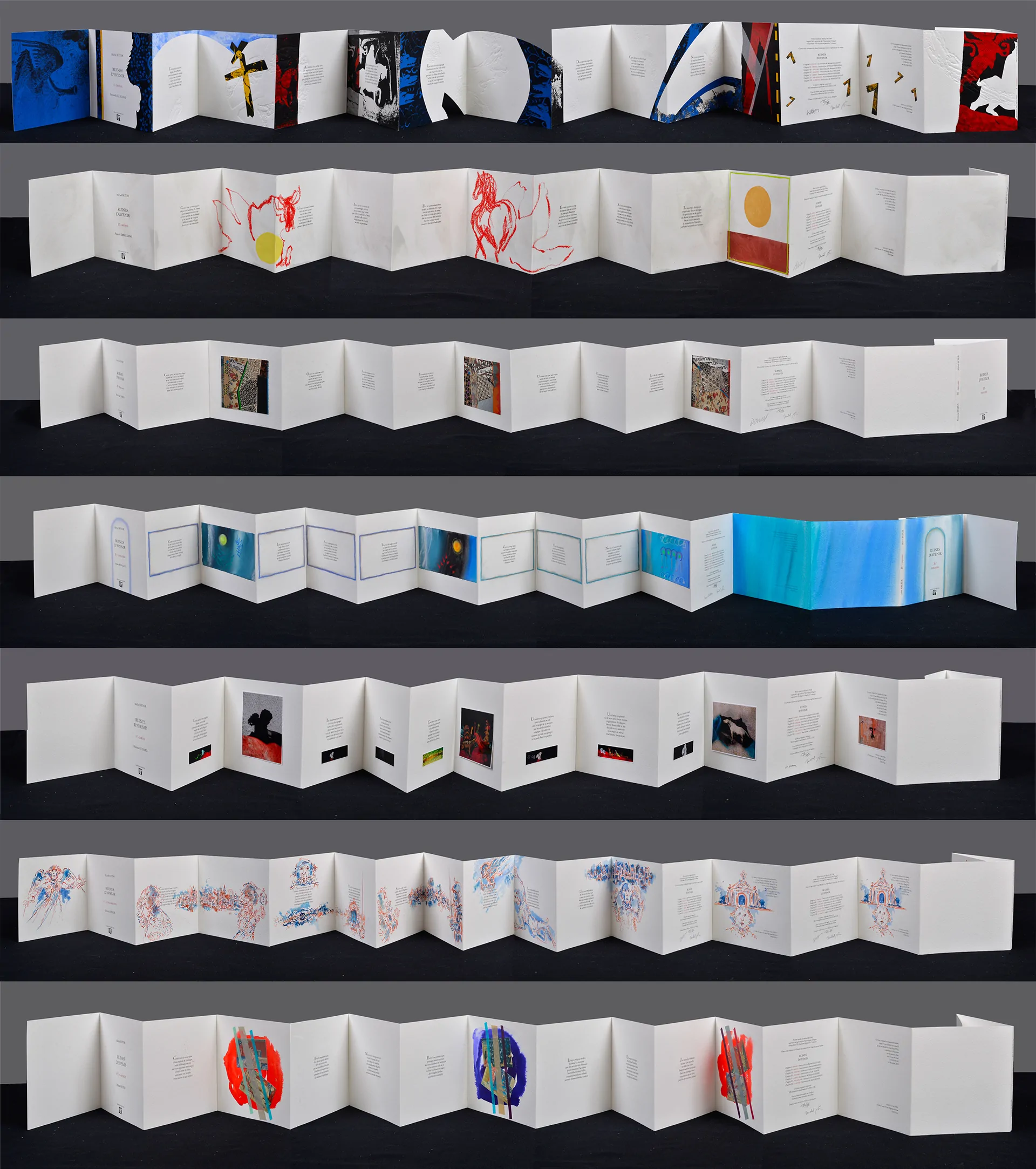
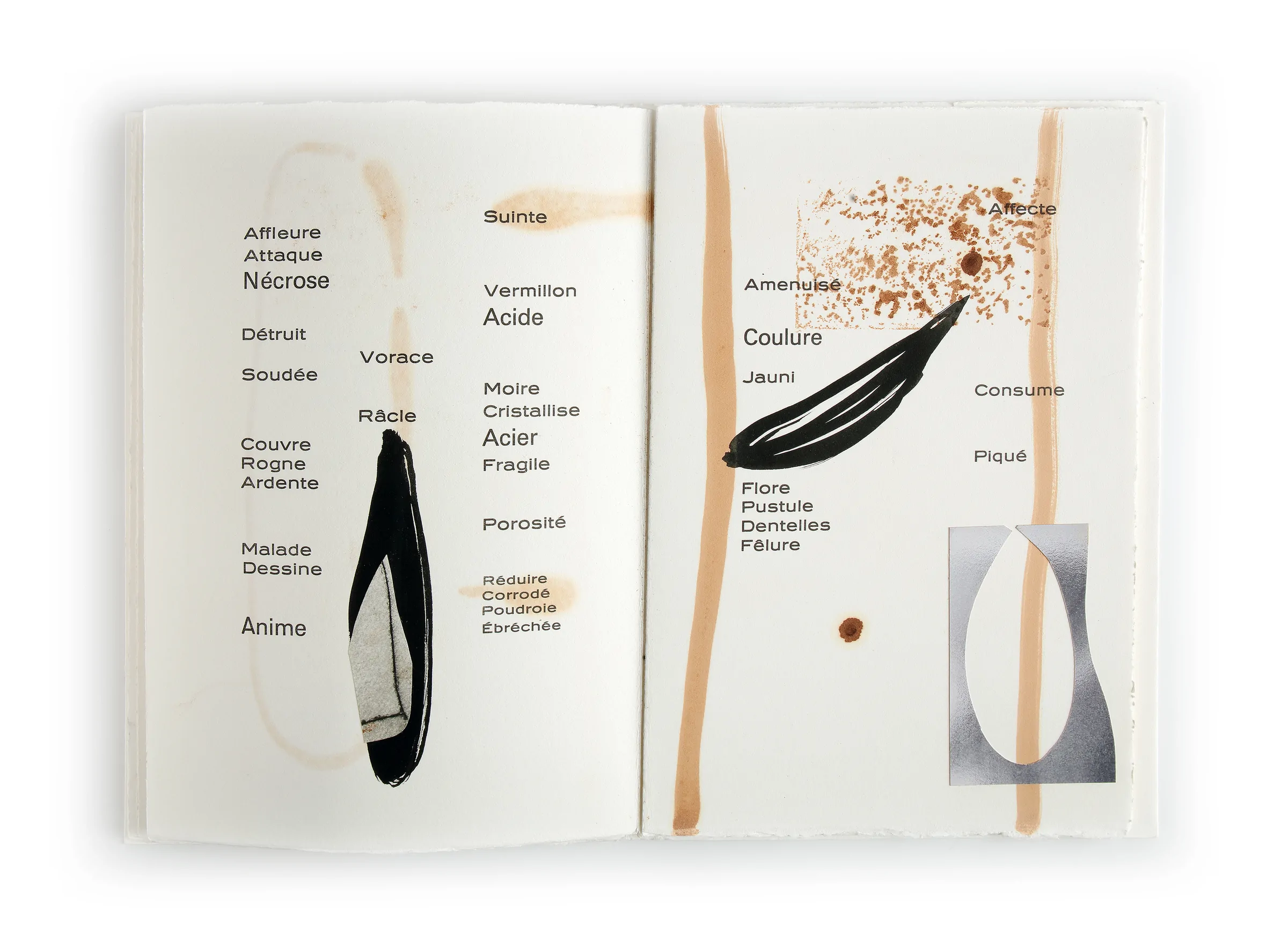
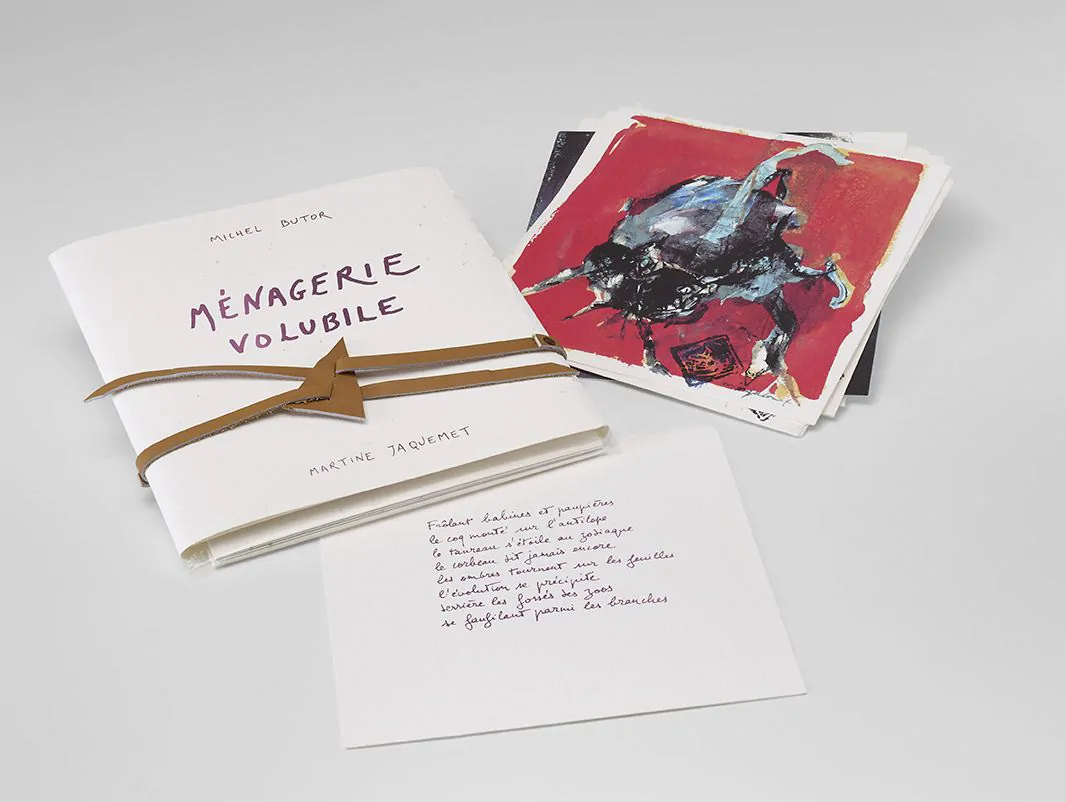
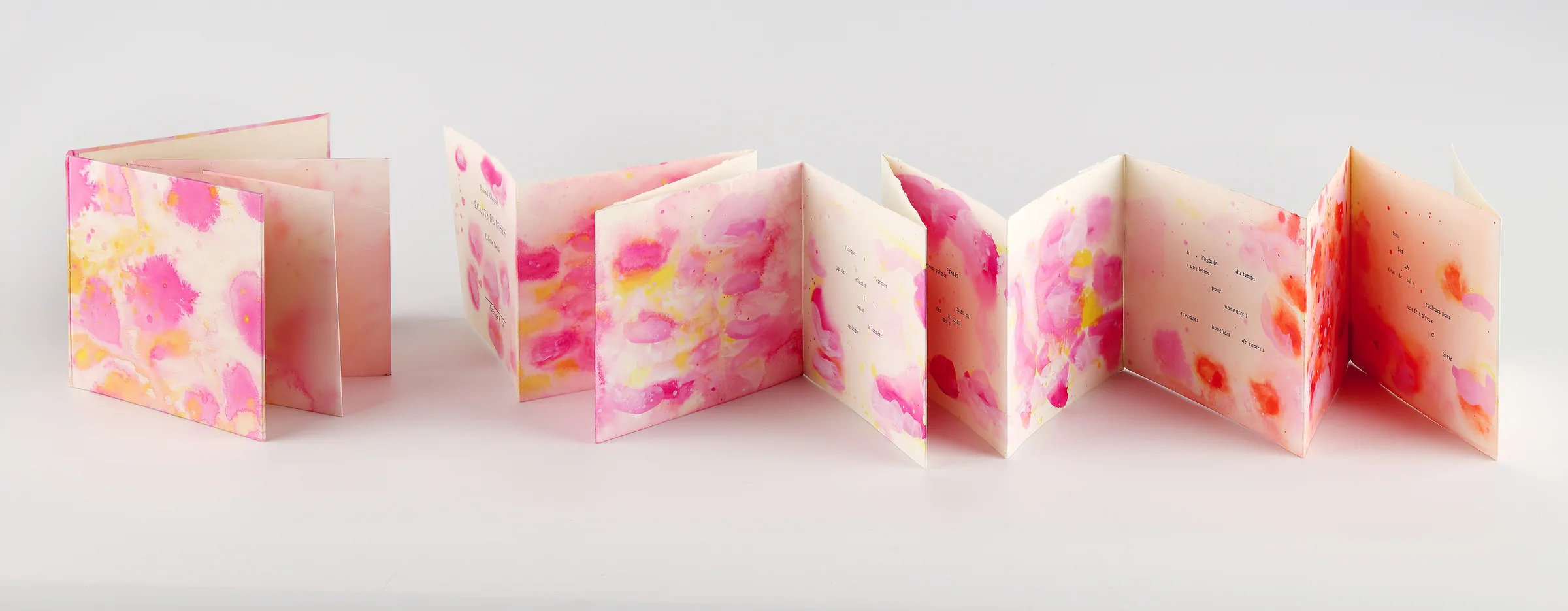
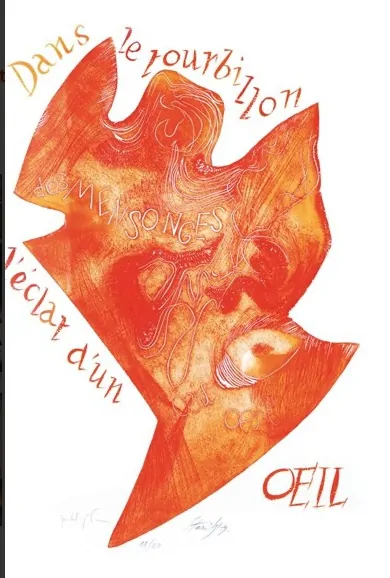
Although the writer became famous for his novels, he quickly abandoned this form of writing in favour of poetry and, in particular, artist’s books, a medium that offered him an infinite source of inspiration. The books kept in this unusual library belong to the category of “dialogue books,” books with two voices, heirs to the illustrated books of the late 19th century. Born of collaboration between a writer and a visual artist, they either adopt the traditional form of the book or deliberately subvert it. Manuscript or printed, produced with or without a publisher, always in limited editions, these objects are meant both to be leafed through and exhibited, sometimes in unexpected forms (book-objects). They draw on an incredible diversity of techniques and a wealth of materials and subjects. Between 1962 and 2016, the poet produced thousands of such works, all recorded in his Catalogue de l’Écart, in dialogue with hundreds of artists: Pierre Alechinsky, Miquel Barceló, Ania Staritsky, Serge Assier, Olivier Debré, Bernard Dufour, Jean-Luc Parant, and many others.
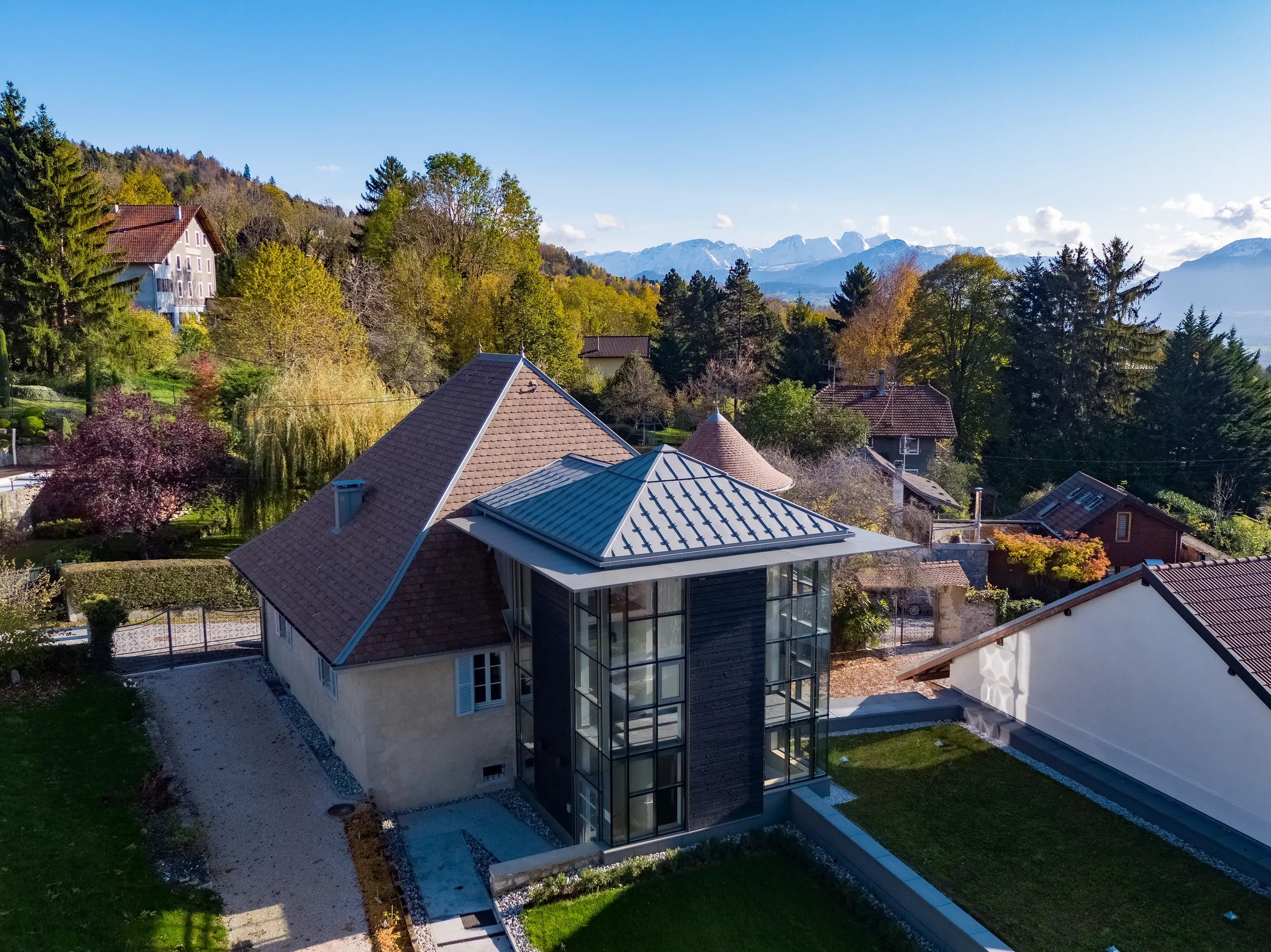
To create this ensemble, major works were carried out between 2018 and 2020 to transform the former fortified house into a heritage library and the writer’s residence into an artists’ residency space. Funded by the municipality of Lucinges and Annemasse Agglomération, with substantial support (French State, Auvergne-Rhône-Alpes Region, Haute-Savoie Department, Savoie Mont-Blanc Council), the project was led by heritage architect Guy Desgrandchamps. The Designers Unit Paris studio conceived the interior scenography of the Manor and the overall graphic identity. Set in the heart of a 3,000 m² wooded park, the Manoir des Livres offers 650 m² entirely dedicated to artist’s books: 180 m² of exhibition space, plus 120 m² of reception area, 64 m² of educational workshops, 30 m² of storage space, and a consultation room for researchers. Innovative, fully modular display cases, controlled lighting and temperature, and sleek design now provide the perfect setting for artist’s books. An added bonus: in each room, digital tablets allow visitors to deepen their reading of the texts and explore hidden pages when the physical display allows only partial viewing.
Presentation of the Butor Archipelago collection
Together with the Michel Butor public reading library, three sites today form the Butor Archipelago at the heart of the village of Lucinges, awarded the label “Village en poésie” (Poetry Village).
In 2025, the Manoir des livres collection comprises more than 2,000 objects, including around 1,800 dialogue books. Covering a period from 1950 to the present day, it is enriched each year through an acquisition policy supported by the Regional Fund for Library Acquisitions and by donations. The Manoir des livres hosts three temporary exhibitions per year and offers a regular programme for all audiences, highlighting the discovery of the artist’s book in its many facets. Every two years, the Artist’s Book Festival brings together 1,500 visitors in the autumn.
Le Manoir des livres
91 chemin du Château, 74380 LUCINGES
Online catalogue: https://www.bibliotheques-intermede.fr
Exhibitor
The Atelier du Livre
d’Art & de l’Estampe
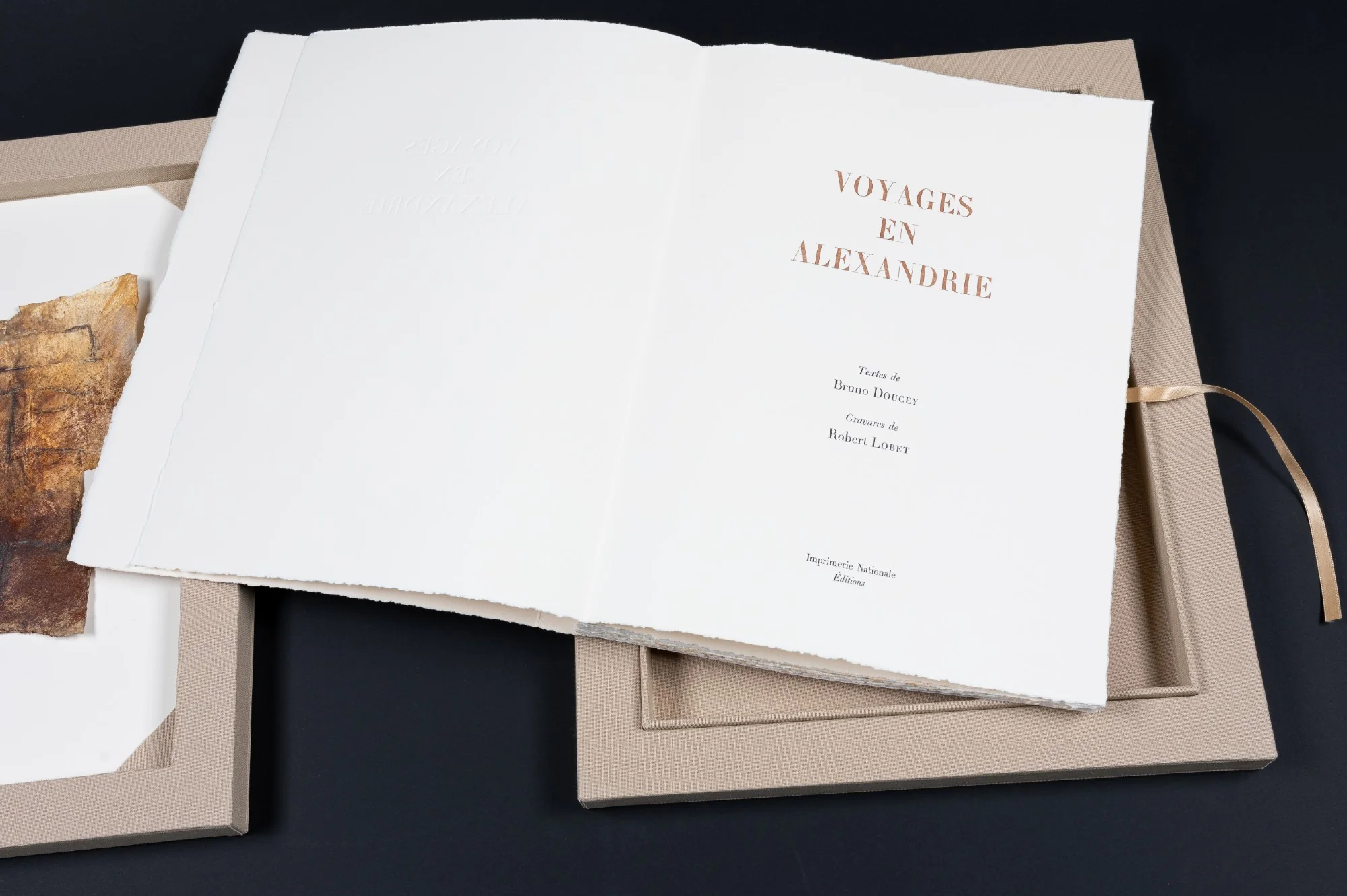
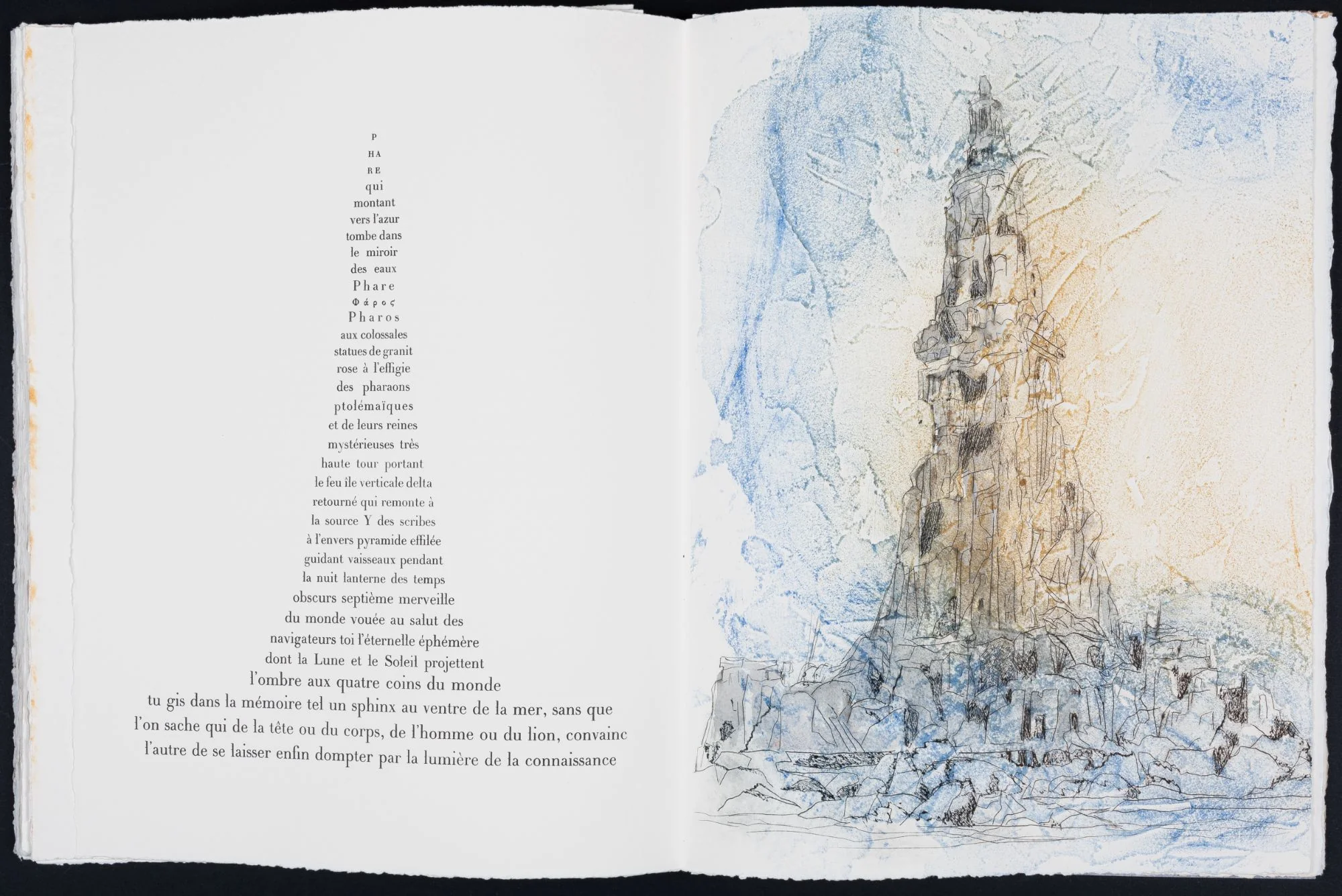
In this original work, Robert Lobet and Bruno Doucey invite us to journey through space and time and to immerse ourselves in the physical traces of this city, thousands of years old and multicultural, that archaeology has brought to light.
Inspired by a series of drawings by Robert Lobet created in the 2000s at archaeological excavation sites, this work brings together three forms of expression – drawings, poetry, and typography – that reveal an intimate and secret side of the city and prompt us to reflect on memory and transmission.
The Imprimerie nationale, now operating under the IN Groupe brand, traces its origins back to the Imprimerie royale (Royal Printing Office), founded by Richelieu in 1640. Today, IN Groupe keeps this rich tangible and intangible heritage alive in its Atelier du Livre d’Art & de l’Estampe in Flers-en-Escrebieux, northern France.
An exceptional heritage
Considered the world’s oldest printing workshop still in operation, its mission is to keep alive and pass on the expertise of the entire typographic process through the creation of artists’ books, as well as to preserve the heritage collections from the State Printing Office, the oldest of which (punches, matrices, and antique books) date back to the 16th century. Its library also includes a significant collection of technical books on printing and bookmaking techniques.
The major pieces of these collections have been listed as historic monuments since 1946.
A tradition of excellence for five centuries
Led by the production manager, the Atelier has a type foundry and three workshops: typesetting, letterpress printing and printmaking. Punch-cutting is also handed down from generation to generation, so that these exceptional skills are preserved and kept alive.
Its collections hold 65 of the world’s writing systems. Together with its digitised historic typefaces and its mastery of the whole typographic process, they give the Atelier typographic production capabilities found nowhere else in the world.
A living, modern workshop dedicated to fine books
Today, the Atelier du Livre d’Art & de l’Estampe produces fine-press books and limited-edition artists’ books with contemporary publishers, artists and authors. Each copy is numbered and signed by the artists.
In this way, it carries on the tradition of the Imprimerie nationale, which, since its inception, has published ambitious collector’s editions that only a state-run printing office could afford to produce. Its presses also gave birth to the first painter’s book: Parallèlement by Paul Verlaine, illustrated by Pierre Bonnard and published by Ambroise Vollard in 1900.
The Atelier du Livre d’Art & de l’Estampe will present the latest artists’ books from its presses, including: Le Cantique des oiseaux by Sylvie Abélanet, on the text by Farid al-Din Attar; Mes Mots des autres by Jean-Noël Laszlo; La Cantate des cantates by Albert Woda and Frank Lalou; Voyages en Alexandrie by Robert Lobet and Bruno Doucey; Comment naît un livre by Louise Bescond and Pierre-Marc de Biasi…
Demonstrations of type casting, typesetting and letterpress printing will be offered during the fair.
For all information and orders, please contact:
IN Groupe (Imprimerie nationale)
Atelier du Livre d’Art & de l’Estampe
Rue des Frères Beaumont, 59128 FLERS-EN-ESCREBIEUX
Exhibition
Georges Perec
Collection
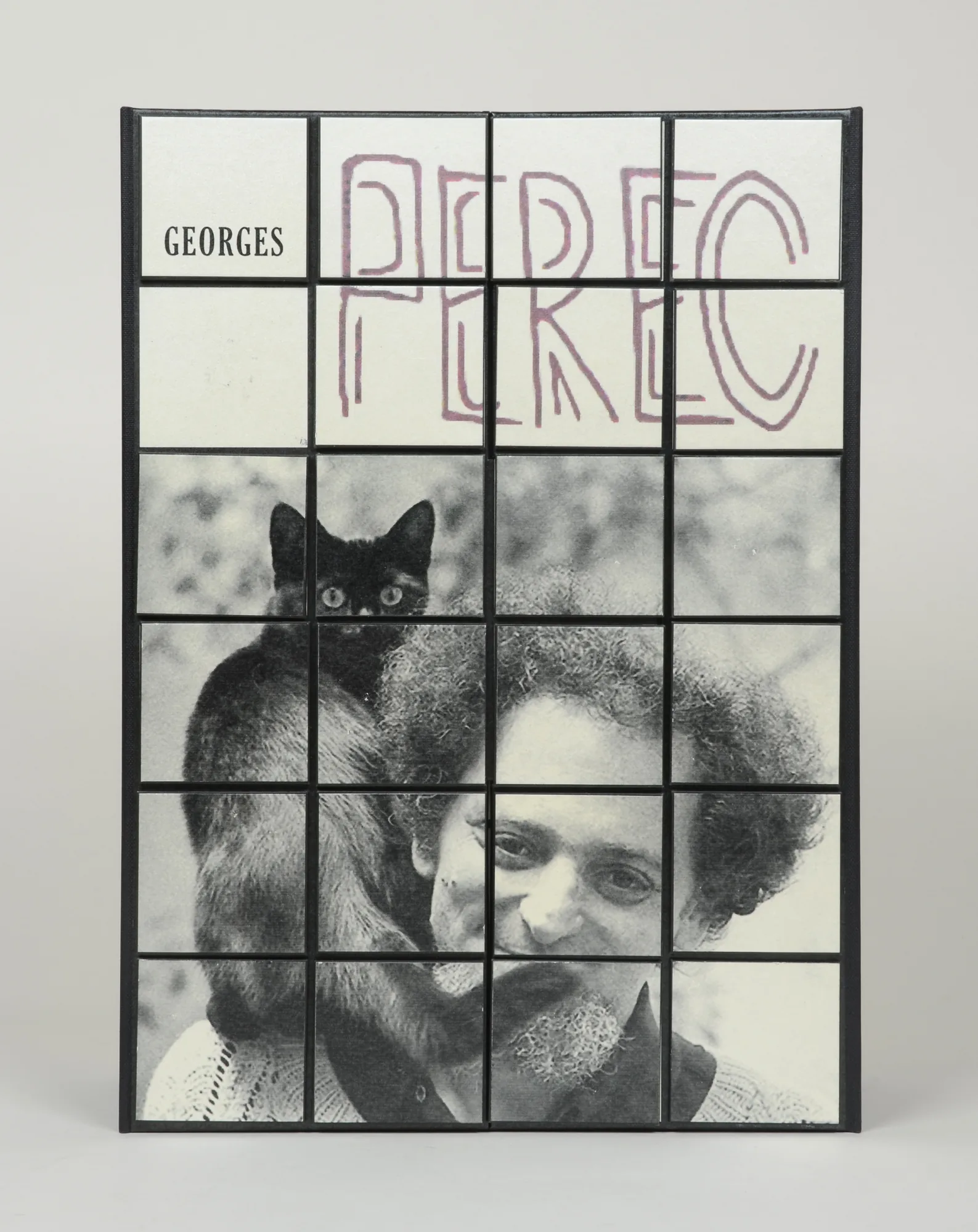
Georges Perec – Christophe Champion Collection
A collector since childhood and a bibliophile since my teens, I discovered Georges Perec through Raymond Queneau. In the mid-1980s, reading Penser/Classer (Thoughts of Sorts) enchanted me, particularly its ‘Brief Notes on the Art and Manner of Arranging One’s Books’, which offers sound advice to a bibliomaniac like me.
Passionate about the potential of language, fascinated by the contribution of mathematics to literature, and captivated by the quality, variety, and depth of his work, I very quickly placed Georges Perec at the top of my literary pantheon and became a Perecophile.
The formal diversity of his publications – trade editions and limited editions, some illustrated with photographs or engravings, self-published booklets and screenplays – and the fact that few collectors were interested in his work at the time finally convinced me to devote myself to it.
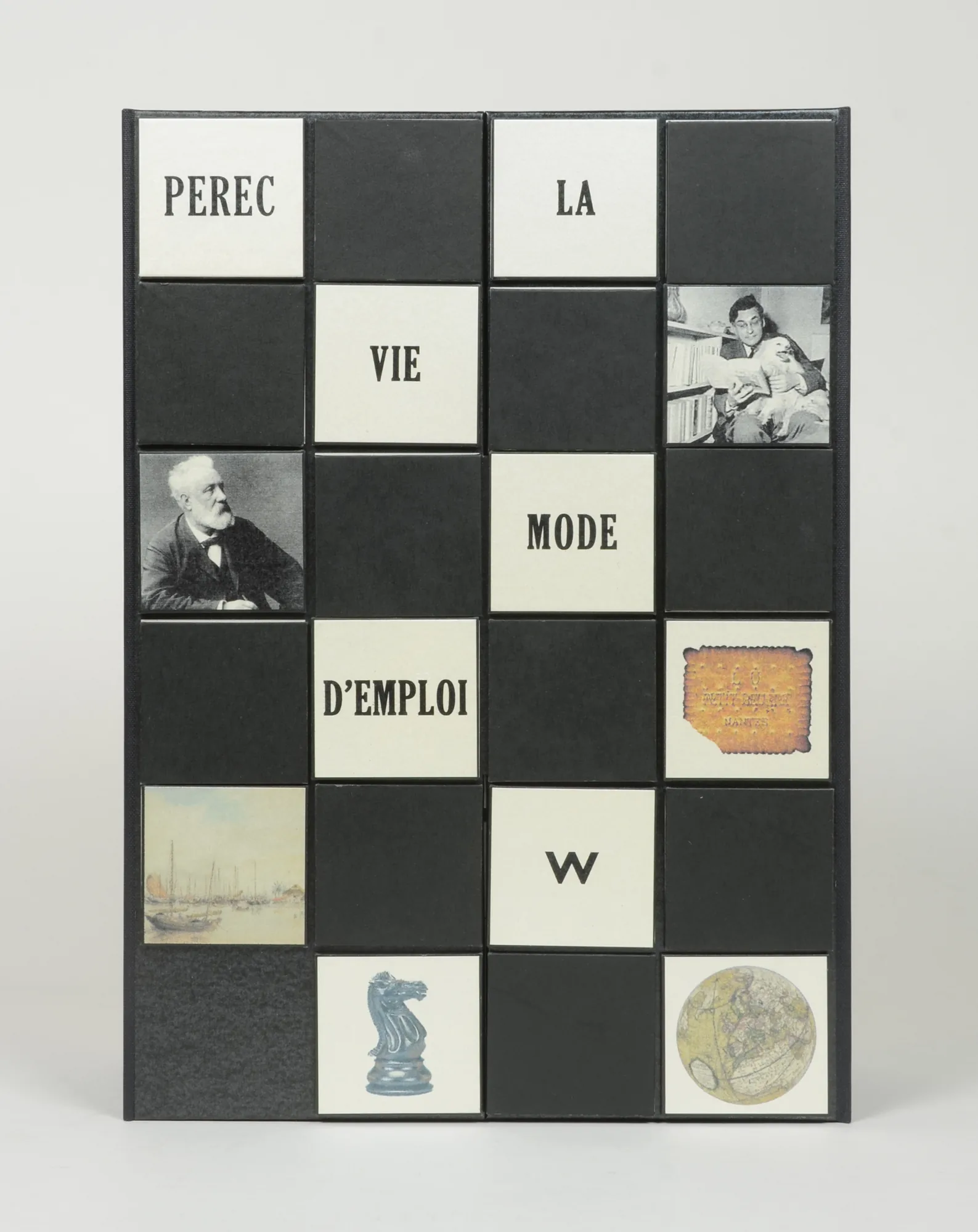
Over the course of forty years, I have managed to assemble a substantial Perec collection – one of the most significant in private hands – comprising all of his publications and a large body of letters, manuscripts, and photographs, including key copies and documents addressed to his mentor Raymond Queneau, to whom La Vie mode d’emploi (Life: A User’s Manual) is dedicated; his first publisher, Maurice Nadeau; his psychoanalysts, Michel de M’Uzan and Jean‑Bertrand Pontalis; and his friend from youth, Roger Kleman. Each piece is as significant in its own right as it is for what it contributes to the whole, thus forming a gigantic puzzle whose ever-elusive missing piece remains the object of my quest.
Among these treasures, I cherish one in particular: the typescript of the final version of La Vie mode d’emploi, bearing his last handwritten corrections, beautifully boxed by Julie Nadot. Her ingenious nested design – featuring a set of magnetic pieces and a portfolio decorated with the floor plan of the building in rue Simon‑Crubellier – highlights certain structural elements of the novel (missing piece, knight’s tour, seascape watercolours, epigraph, dedicatee, etc.).
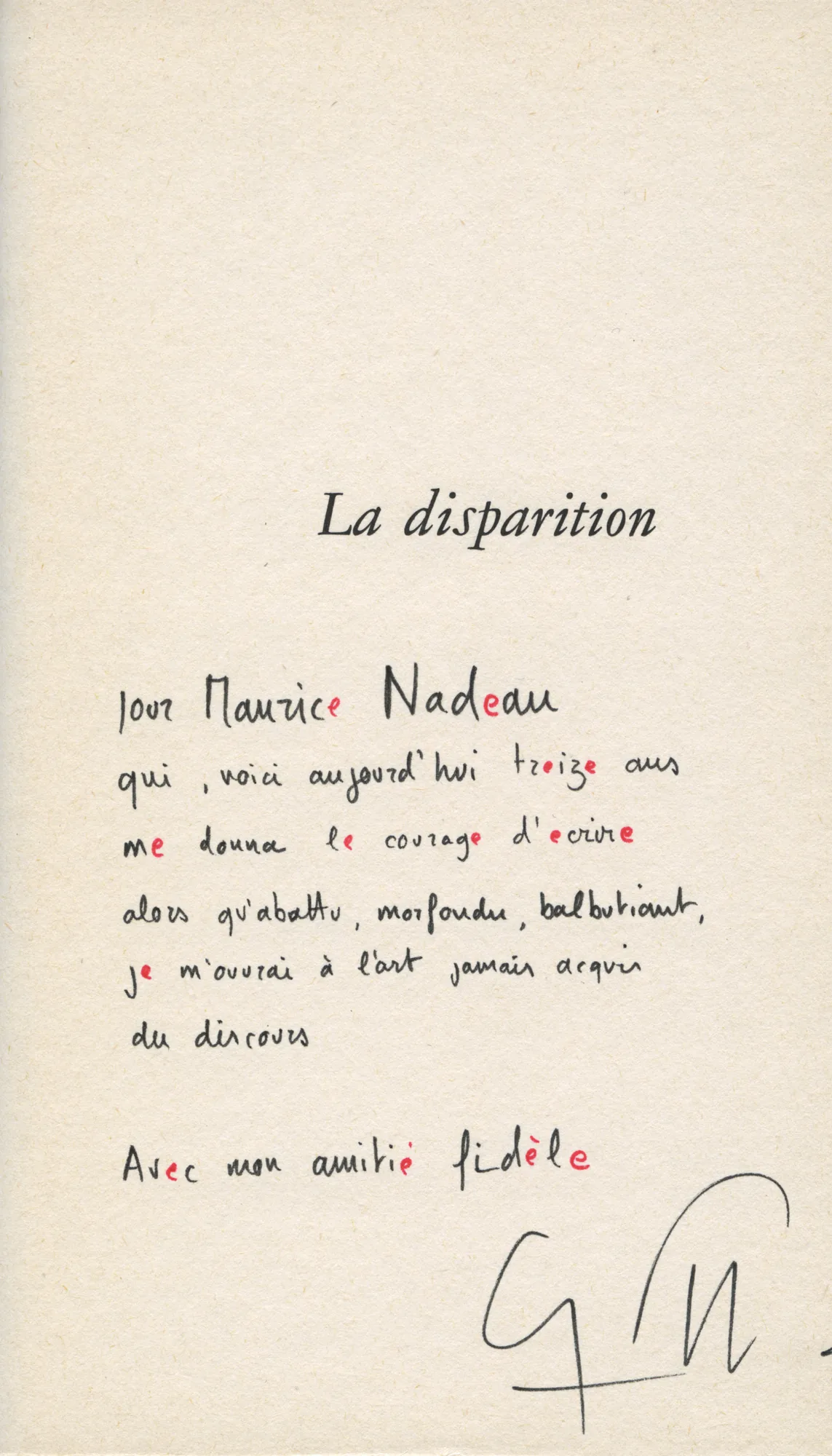
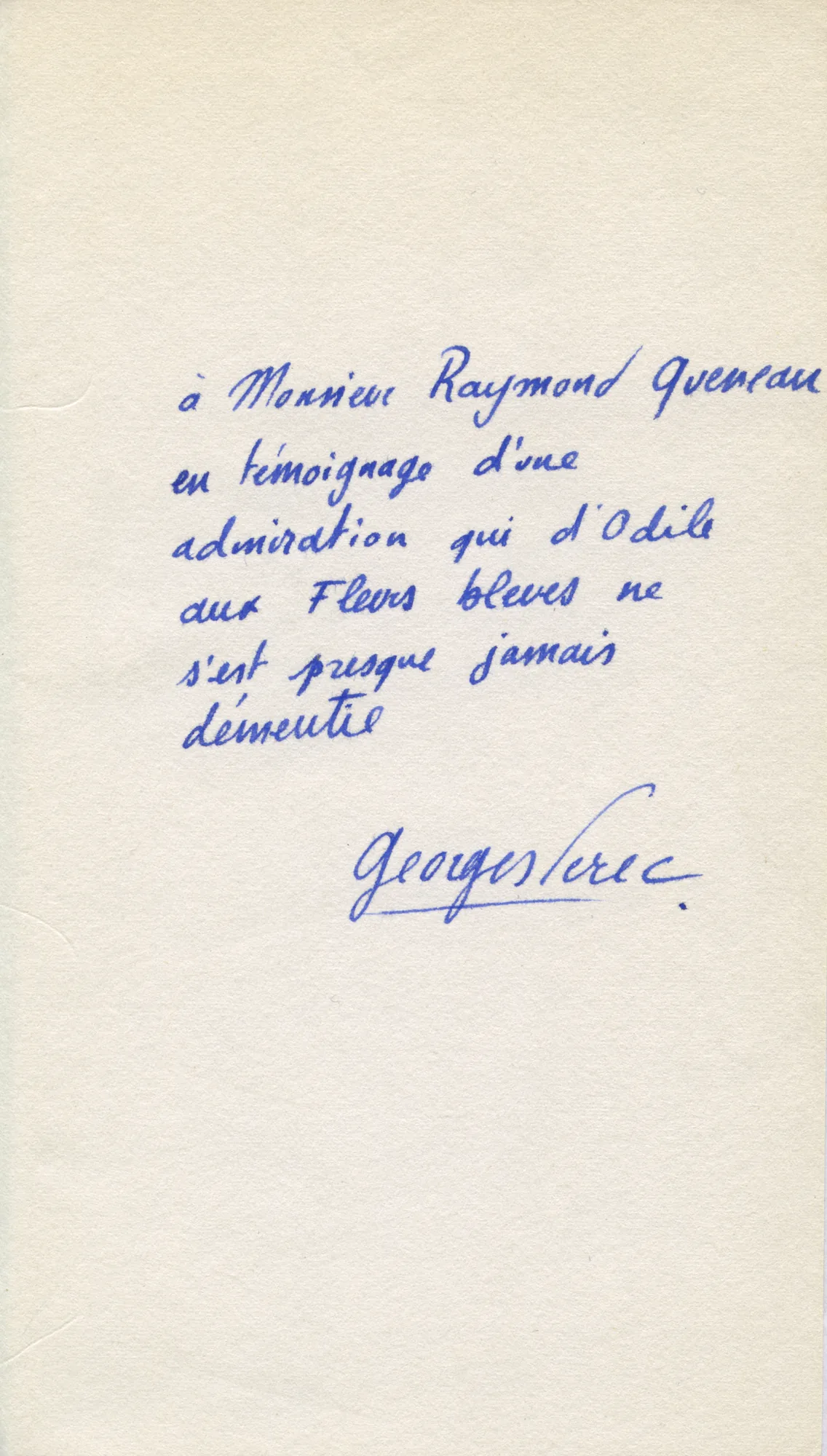
I am very proud to exhibit this collection at the Salon International du Livre Rare et des Arts Graphiques (International Rare Book and Graphic Arts Fair) at the Carreau du Temple from 3 to 6 December 2026 (Stand B4‑B6), alongside the wonderful exhibition Georges Perec modes d’emploi (Georges Perec: Instructions for Use), currently on view at the Bibliothèque nationale de France (National Library of France), to which I have contributed.
As part of my work as a bookseller, I will also be offering a selection of books by Georges Perec for sale at the fair (Librairie Faustroll – Stand B16).
Christophe Champion
Exhibitor
Association Culturelle des Bouquinistes de Paris
(Cultural Association of the Paris Bouquinistes)
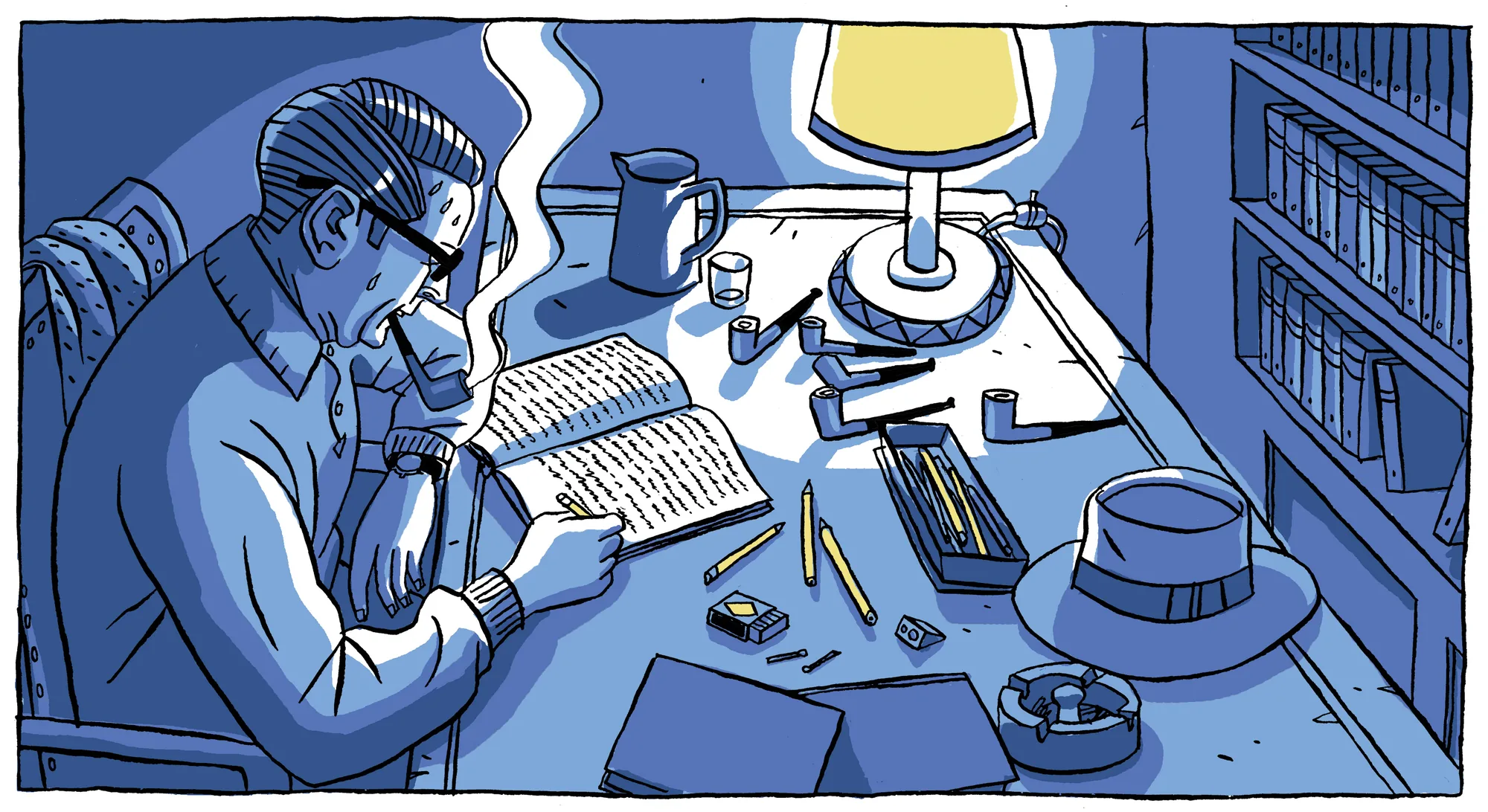
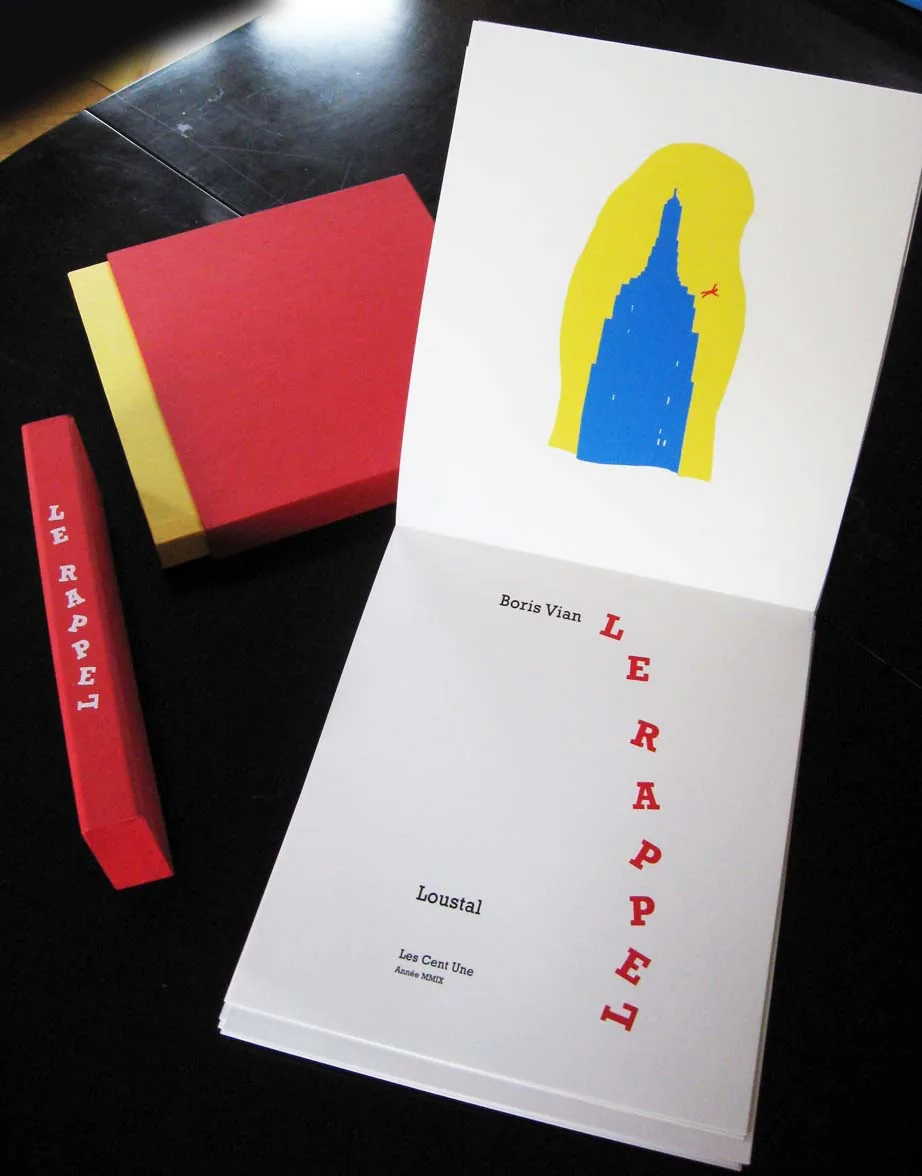
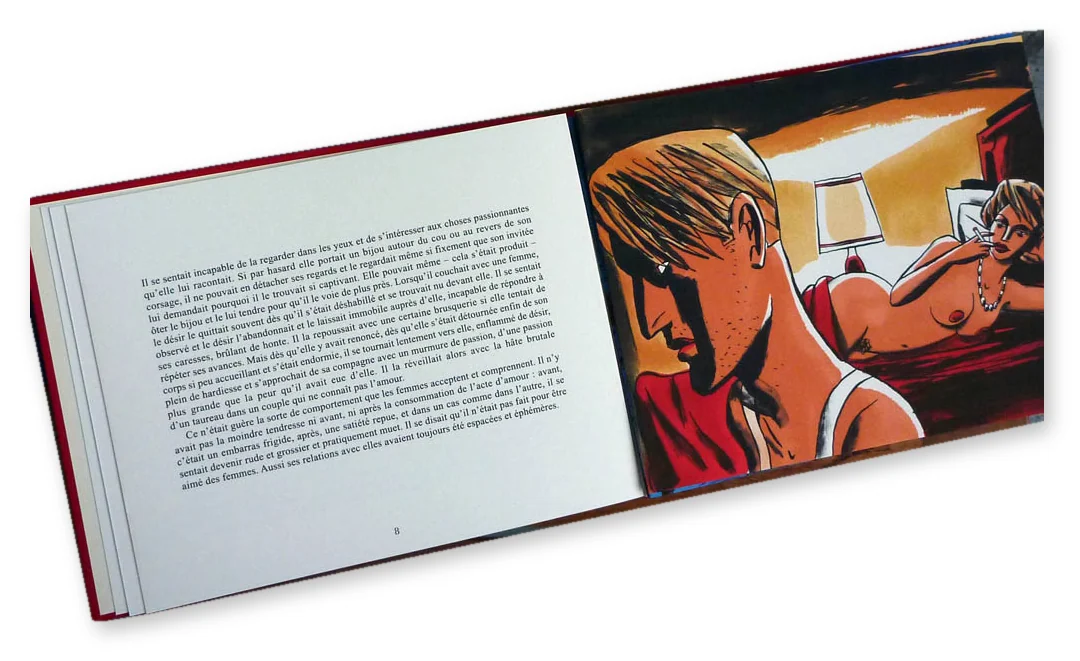
For their fourteenth appearance at the International Rare Book Fair, the bouquinistes of the Paris quays and the Association Culturelle des Bouquinistes de Paris (Cultural Association of the Paris Bouquinistes), which represents them, are delighted and honoured to welcome the great artist Jacques de Loustal.
For nearly five centuries, the bouquinistes have been champions of armchair travel, opening up the boundless horizons of reading to passers-by every day from their (almost) thousand and one boxes perched on the parapets above the Seine, in the heart of Paris. They invite you to their stand to discover Jacques de Loustal’s major contribution to bibliophily and to the art of the book.
An illustrator, painter, comics artist, and a master of direct colour, Jacques de Loustal had his work published as soon as he left the École nationale supérieure des beaux-arts in Paris, in magazines such as Rock & Folk, Métal Hurlant, and (À Suivre).
He has worked with and illustrated writers such as Jérôme Charyn, Philippe Paringaux, Jean‑Luc Coatalem, Dennis Lehane, and Tonino Benacquista, as well as Georges Simenon for the publisher Omnibus and for Le Monde. He has created covers for The New Yorker, illustrations for Beaux Arts Magazine, Senso, Géo, among others, as well as film and advertising posters.
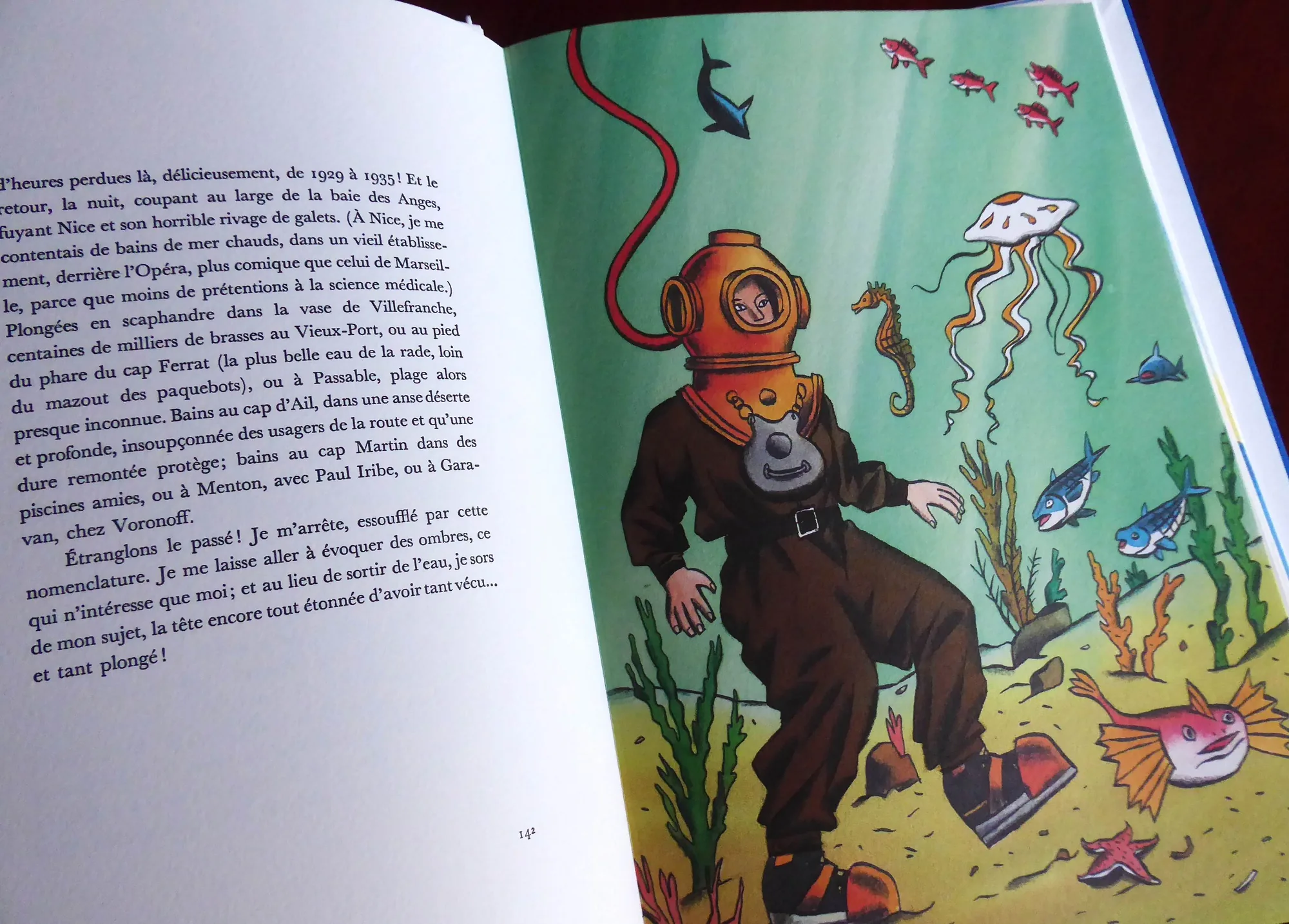
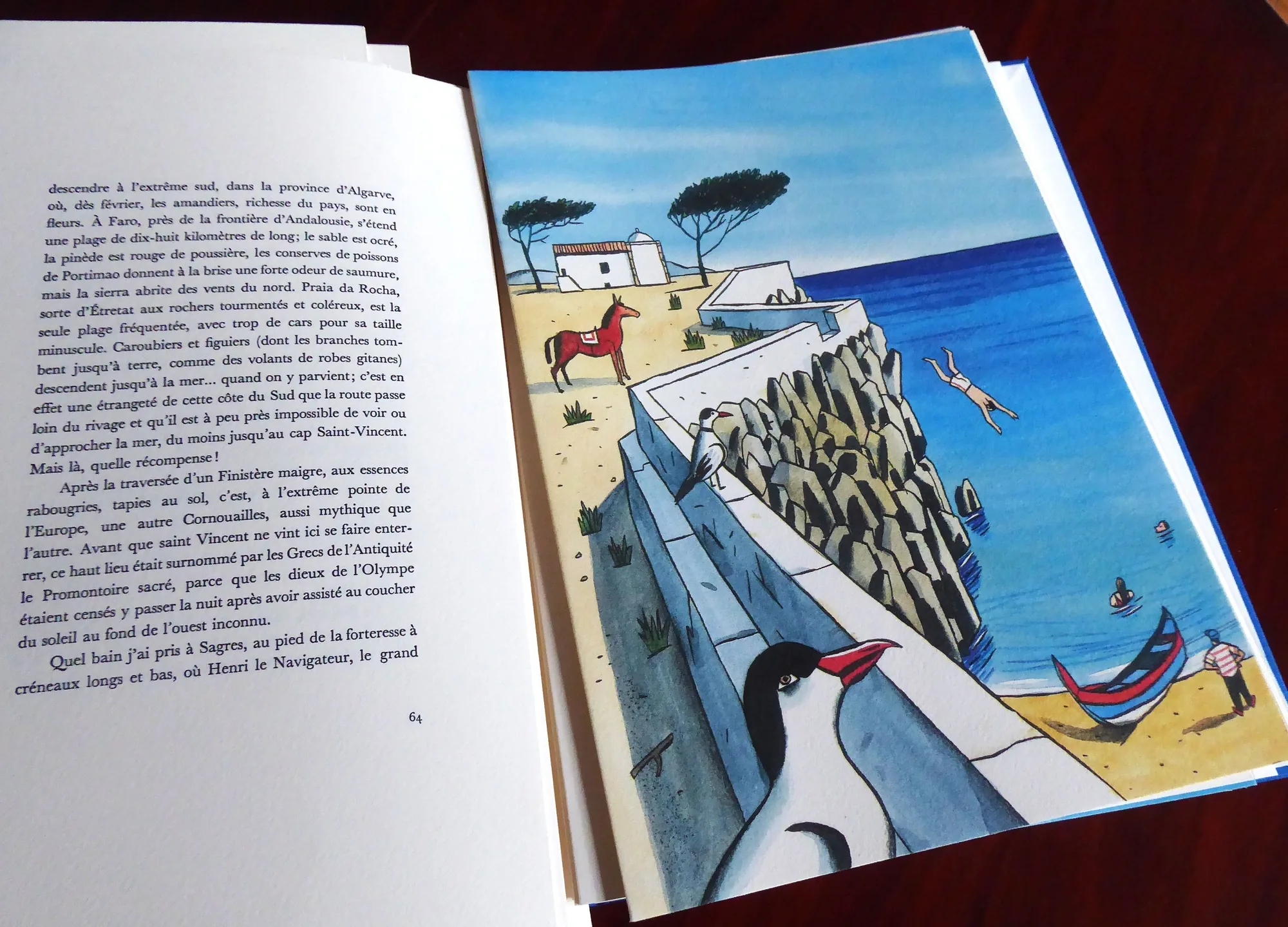
A keen traveller, he returns from his travels with countless sketchbooks and with that harmonious poetry of colour and line, worked in brush or pen, that enchants us and sets us dreaming.
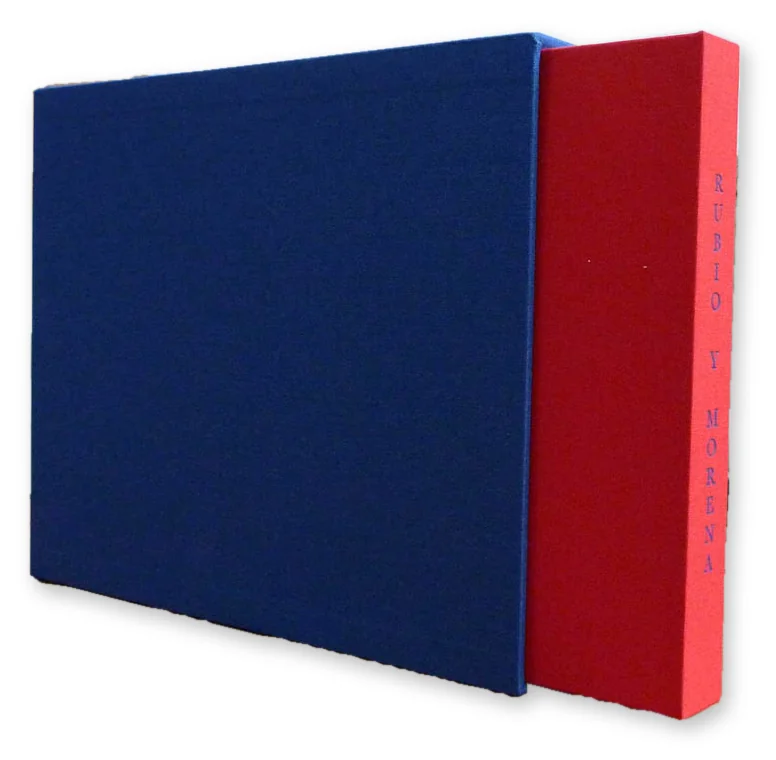
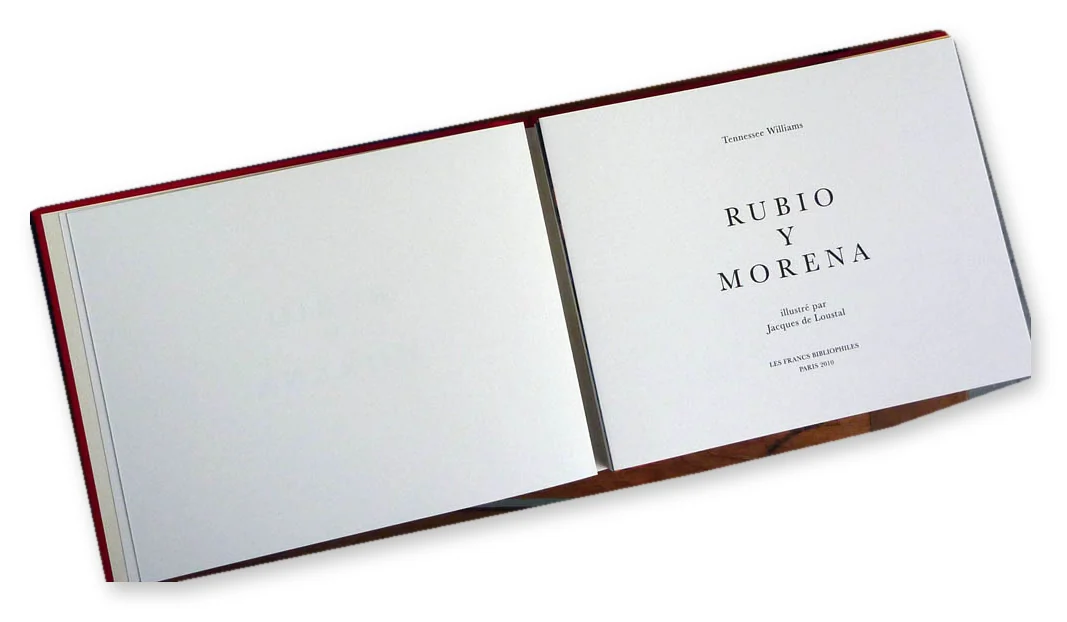
His work – whether in ink, charcoal, or paint, often in direct colour – has earned him several commissions from bibliophile societies, and these books are on display at our stand. Among them is the most recent, published last May for the members of the Automobile Club de France.
We hope many of you will come and be captivated by the beauty and serene musicality of his graphic compositions.
A signing session with Jacques de Loustal will take place at the fair on Saturday 5 December from 4.30 pm.
Jérôme Callais
President of the Association Culturelle des Bouquinistes de Paris
Association Culturelle des Bouquinistes de Paris
3 rue Clodion, 75015 Paris
Activity
Discovering antiquarian books
Everything you always wanted to know about antiquarian books but were afraid to ask.
The Fair is open to both experienced bibliophiles and novice enthusiasts, and a stand offering an introduction to bibliophily will be open to visitors throughout the event. SLAM booksellers will be on hand to answer any questions new collectors may have, to help them make their first purchase and to share their expertise and passion. The books on offer in this area are carefully selected by the exhibitors for their interest and low price.
Activity
Guided tours and themed walks
An introductory tour is organised every day to explore the richness and diversity of the items on display at the Fair.
Led by booksellers from SLAM, these tours provide insights into these examples of written and graphic heritage.
As part of its programme, the Fair is launching a brand-new initiative: the themed tour ‘Women in Books’, inviting the public to take a fresh look at the collections of antiquarian books. As they make their way through the stands, visitors will meet exhibitors and discover a carefully curated selection of documents illustrating the history, role and impact of women in the world of publishing and written heritage. An invitation to follow in the footsteps of women who have left their mark on the history of books, the arts and knowledge.


