2026 Session
December 4 to 6, 2026
Le Carreau du Temple
Paris

Bibliography Prize
Prize for Bibliography & the History of the Book
Every two years, SLAM awards the “French Prize for Bibliography and the History of the Book”. It distinguishes two works in French, which receive a first prize and a special jury prize. These works are chosen from among the titles published since the previous edition and devoted to the history of print, of antiquarian and modern books, of publishing and libraries, as well as to illustration, bookbinding and bibliophily.
It is the only French prize that covers all of these fields.
Antiquarian and modern booksellers were among the first to explore the material history of the book and to produce, from the end of the 18th century, rigorous bibliographical works. Those of De Bure, Brunet and Quérard remain fundamental tools for the book trade and the circulation of books as well as for research.
Through this prize, SLAM and its members intend to perpetuate this tradition, to encourage research in the various fields of printed heritage and to make better known the work on material bibliography, the history of the book and the history of publishing, whose importance keeps being reassessed. The prize thus extends a long collaboration between the French book trade and historical and bibliographical research.
The works entered for the prize are selected after a rigorous survey, then submitted to the examination and deliberation of a jury bringing together curators from the main French public libraries, historians, researchers and SLAM booksellers.
The next award ceremony will take place during the 2026 Rare Book Fair, on Saturday 5 December, at 11.30 am.
Winners
of the 23rd edition
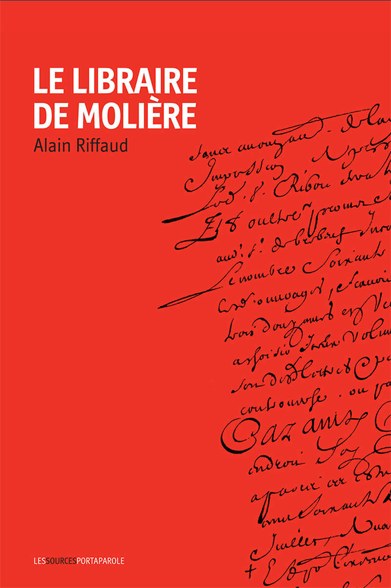
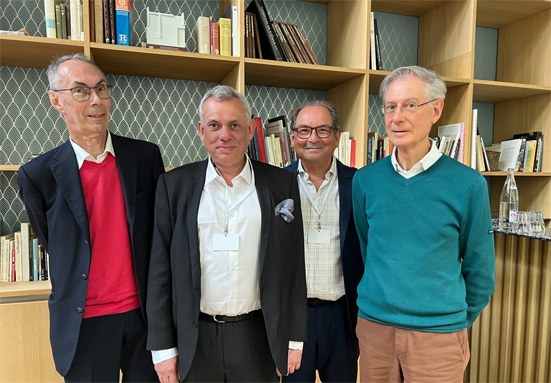
The ceremony took place during the International Rare Book & Graphic Arts Fair, on 15 June 2024, at the Carreau du Temple.
The first prize was awarded to Alain RIFFAUD, for Le libraire de Molière. Paris, Portaparole, 2022.
« Jean Ribou, 1630-1702. Il est des vies qui ressemblent à des romans. C’est le cas pour le libraire Jean Ribou, né sous Richelieu et mort à l’aube du XVIIIe siècle. Détaillant sur le quai des Augustins, il possède un caractère bien trempé et le sens de l’initiative. Il entre dans l’Histoire en dérobant Les Précieuses ridicules de Molière, contraignant l’écrivain à publier son premier livre. Le forban du quai récidive en sortant Le Cocu imaginaire, au nez et à la barbe du comédien. Perquisitions et procès s’ensuivent. Ce ne sont que les prémisses d’une aventure jalonnée de nombreux rebondissements. Un des plus surprenants est le retour en grâce de Ribou auprès de Molière, qui en fait son éditeur exclusif à partir de 1666, avec Le Misanthrope, L’Avare et Le Tartuffe.
L’intrigue, qui réserve bien d’autres surprises, nous fait découvrir la relation du grand acteur avec ses livres, l’actualité des nouveautés littéraires, les lieux de vente à Paris, les stratégies publicitaires, les complicités commerciales, les réseaux de distribution, la police et les geôles de la Bastille. Les heurs et malheurs de Jean Ribou sont autant d’occasions de mieux connaître le négoce du livre au temps de Louis XIV. Pourtant, jusqu’ici, pas la moindre étude n’avait été consacrée au libraire de Molière. D’où l’intérêt de cet ouvrage qui relate sa carrière, établit son catalogue, et fournit toutes les archives retrouvées ».
Jury’s special prize
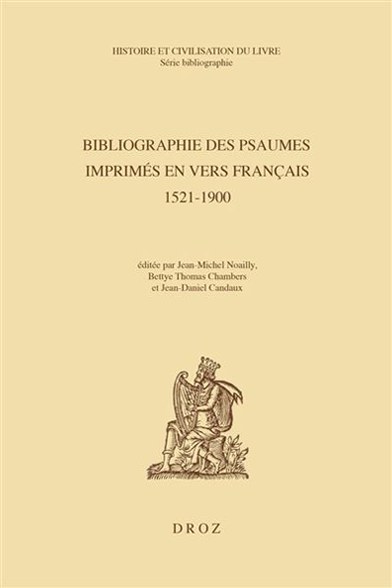
The jury’s special prize was awarded to Jean-Daniel CANDAUX, Bettye Thomas CHAMBERS, Jean-Michel NOAILLY, for Bibliographie des psaumes imprimés en vers français 1521-1900. Genève, Droz, 2022.
« La présente publication a recensé toutes les éditions imprimées en vers français de 1521 à 1900, contenant au moins un psaume en vers et en français. Ce sont donc plus de 3 600 éditions différentes qui sont prises en considération et classées par ordre chronologique sans distinction de confession, émanant de plus de 600 poètes et représentées par quelque 24 000 localisations tant dans des bibliothèques françaises qu’étrangères ».
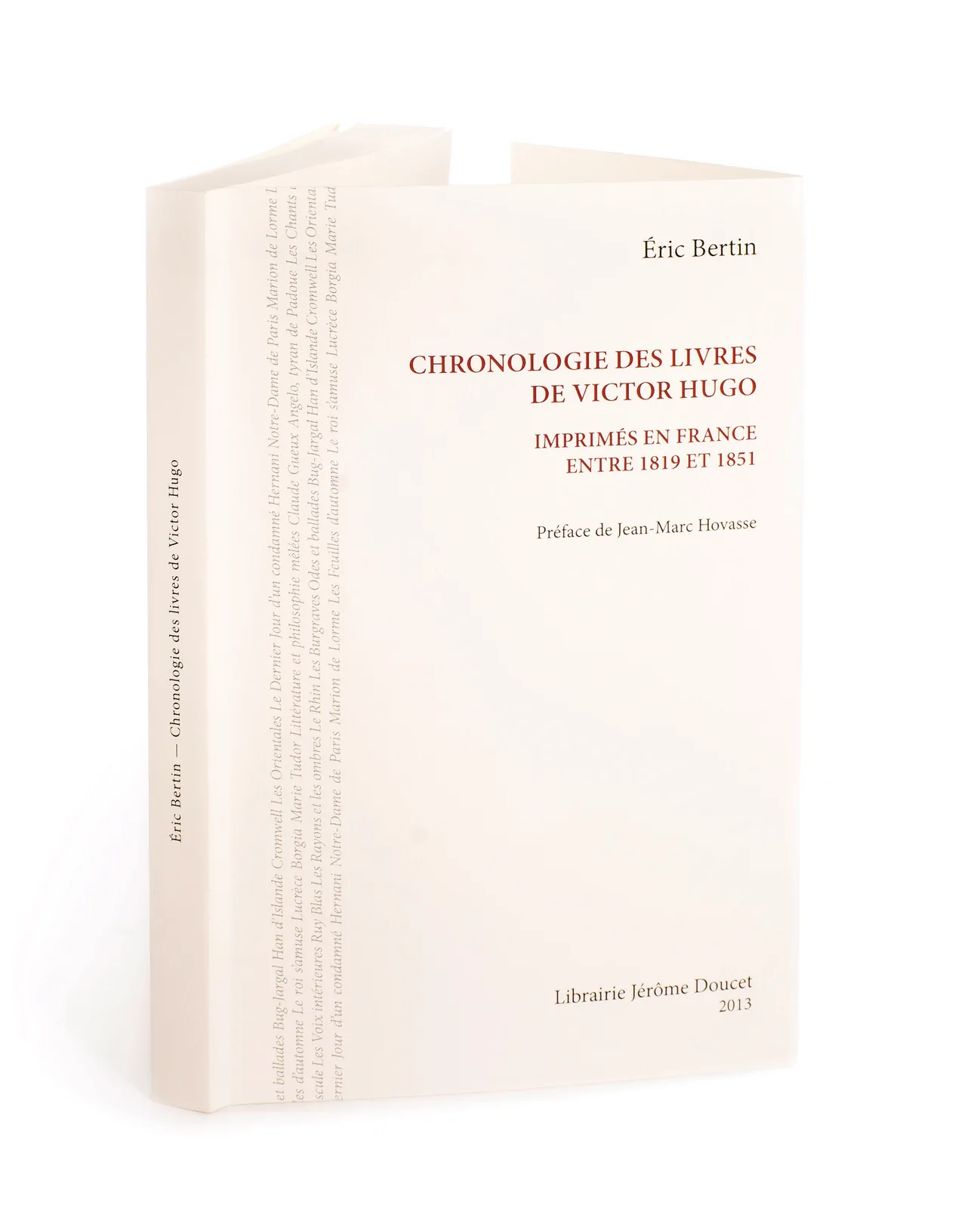
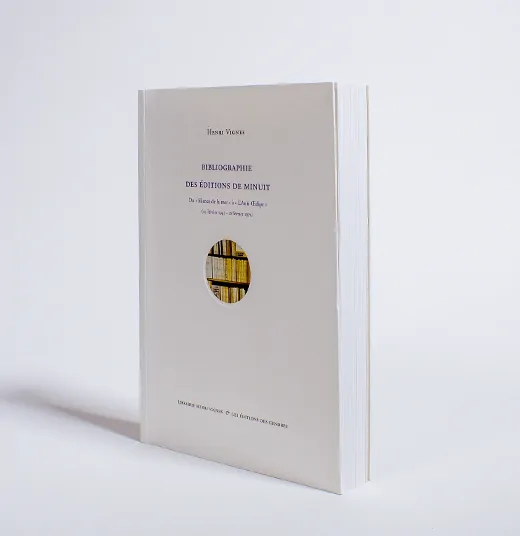
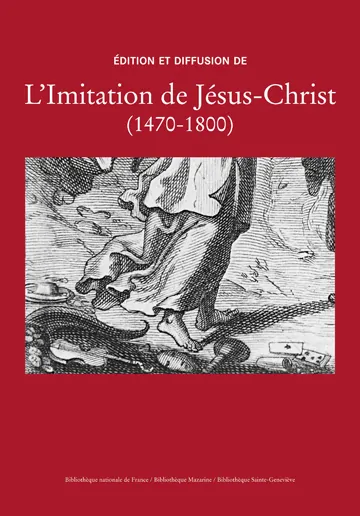
Previous winners

Lauréat 2022 
Prix d’honneur 2022 
Lauréat 2021 
Prix d’honneur 2021 
Lauréat 2018